

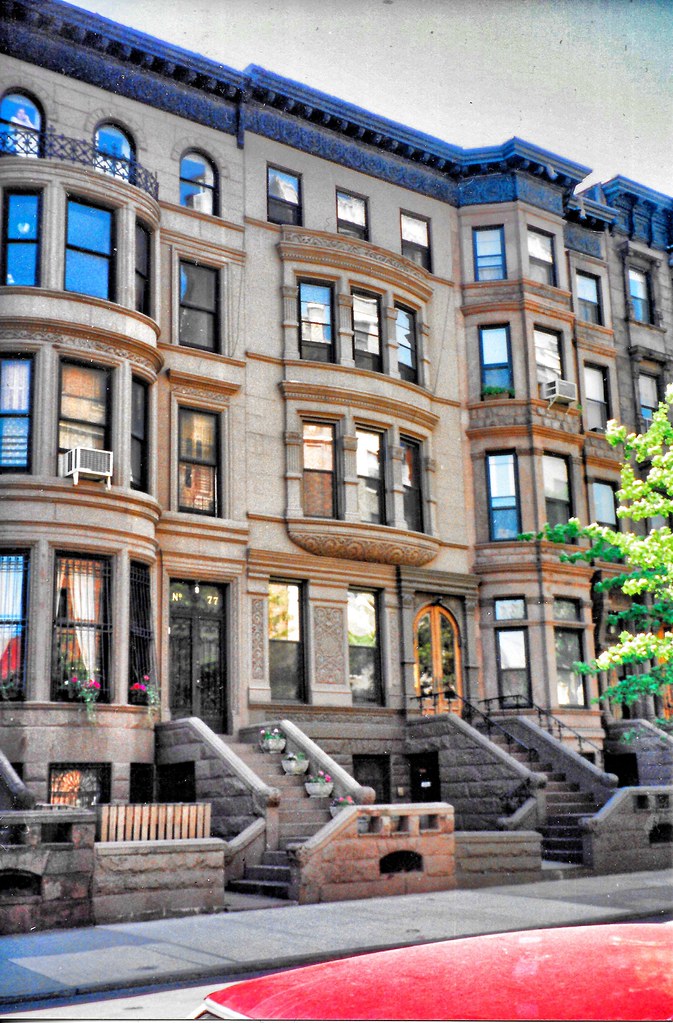
Roughly one million apartments in New York City are rent-stabilized, and a large share of the tenants living in them don’t actually know what protections that status gives them. Landlords aren’t required to explain it, and the rules are scattered across a state agency’s website most renters never visit. Here’s what actually matters if you live in one.
Your rent increase has a real ceiling, and it’s public information
The NYC Rent Guidelines Board sets allowable increase percentages every year for one-year and two-year lease renewals, and those numbers are published and searchable. A landlord who quotes you a renewal increase above that year’s approved percentage is not making a negotiable opening offer – they’re asking for something outside what the law permits. Before signing any renewal, look up the current year’s guideline percentage and compare it directly to what’s on the paper in front of you.
Individual Apartment Improvements can raise your rent, but there are limits on how
Landlords can pass along the cost of documented apartment-specific renovations through what’s called an Individual Apartment Improvement, but the increase has to be tied to an actual, itemized cost and is capped under current law rather than open-ended. You’re entitled to ask for documentation of the work and the cost breakdown behind any IAI-based increase. A landlord who can’t produce a contractor invoice or itemized receipt when asked is not following the process correctly.
Your apartment’s rent history is a public record you can request
The New York State Division of Housing and Community Renewal keeps a rent history file for every stabilized apartment, and any current tenant can request it directly. That file shows every registered rent increase going back years, which is exactly what you need if you suspect your apartment has been overcharged at some point in its rental history. Tenants who never pull this record are relying entirely on what the landlord tells them, which is not the same thing as knowing.
Succession rights protect family members already living with you
If a family member has lived in your stabilized apartment as their primary residence for the required period before the tenant of record moves out or passes away, they may have a legal right to take over the lease under the same stabilized terms. This applies to a broader definition of family than people usually assume, including long-term partners in some cases, not just legally married spouses or children. Documenting that co-residency now – mail, ID addresses, utility bills in that person’s name – is what makes a future succession claim provable instead of just asserted.
A vacant stabilized apartment doesn’t lose its status automatically
Landlords sometimes tell prospective tenants that a unit is no longer stabilized simply because it sat vacant, hoping the new renter won’t check. Stabilization status attaches to the building and unit under specific legal conditions, not to continuous occupancy, and a landlord has to meet a real legal standard to deregulate a unit. If you’re renting an apartment in a building constructed before 1974 with six or more units, ask directly whether it’s stabilized and request the registration status rather than accepting a verbal answer.
Not every old building is automatically covered
Stabilization generally applies to buildings with six or more units built before 1974, but there are enough exceptions that assuming coverage from age and size alone is a mistake. Co-ops, condos, and owner-occupied buildings with fewer than six units are typically excluded even if they’d otherwise qualify by construction date. Buildings that received certain tax abatements, like 421-a or J-51, can be stabilized for the duration of the abatement even if they were built well after 1974, which surprises a lot of tenants in newer construction who assume they have no protections at all. The registration status – not the building’s age or your landlord’s say-so – is what actually determines coverage, and that status is exactly what a DHCR rent history request confirms. If you’re unsure how many legal units a building has on paper, the Certificate of Occupancy on file with the Department of Buildings records that number and can settle the question directly.
Preferential rent can reset to a much higher number at renewal
Some stabilized tenants pay a “preferential rent” – an amount lower than the legal registered rent the landlord is actually entitled to charge. That gap is usually invisible until a lease renewal, when a landlord can raise the rent up toward the higher legal registered amount rather than continuing to apply the discount, sometimes producing an increase far larger than the year’s guideline percentage would suggest. Recent changes to how preferential rent works have limited how often and how much a landlord can claw that gap back, but the rules depend on when your tenancy started. If your renewal increase looks unusually large compared to the published guideline percentage, ask directly whether you’ve been paying a preferential rent and whether that’s the reason.
Overcharge complaints go through a specific state process, not small claims court
If your rent history request turns up an increase that doesn’t match what was legally registered, the correct venue is an overcharge complaint filed with the Division of Housing and Community Renewal, not a lawsuit in small claims or housing court. DHCR can order refunds covering back-charged overcharges, and in cases where the overcharge is found to be willful, the penalty can include treble damages – three times the overcharged amount. Complaints require the rent history printout as supporting evidence, which is exactly why requesting that record early matters even before you suspect a specific problem. The process takes months rather than weeks, so tenants who wait until a dispute escalates lose time they didn’t need to lose.
For a look at how eviction cases actually play out citywide, see our real data on where evictions are actually happening.
Next step: pull your apartment’s rent history from DHCR this week, even if nothing currently seems wrong – it’s the one document that turns “I think my rent is fine” into something you can actually verify, and it’s the same document you’d need if a dispute ever comes up later.
Rent stabilization sets the legal ceiling, but neighborhood change often outpaces it — see our piece on a Brooklyn artists Citi Bike friction device and what it reveals about gentrification.
New York Daily News accepts guest contributions on NYC housing and city policy – see our New York News write-for-us page if this is your beat.
Photo: “Brooklyn New York – Brownstone Row House – Heritage” by Onasill – Bill Badzo, licensed under CC BY-SA 2.0 (https://creativecommons.org/licenses/by-sa/2.0/).
For what tenants in public housing specifically can do, see our guide on what NYCHA residents should know about repair requests.
Related articles: How a NYC Rezoning Actually Gets Approved – And Where Residents Can Weigh In · NYC Congestion Pricing Rules: What Drivers Actually Pay and When · NYC 311 Complaints by the Numbers: What New Yorkers Actually Report