

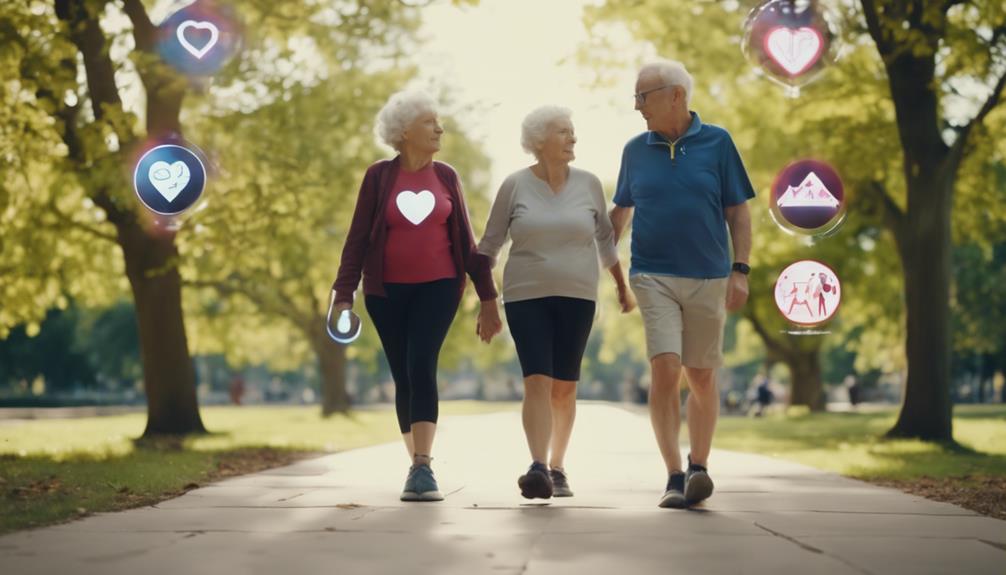
You're in luck, as there are several great wearable health devices tailored especially for seniors. Fitness trackers and smartwatches help you maintain your physical activity levels and monitor heart health on the go. For added safety, GPS devices are fantastic for location tracking, and wearable blood pressure monitors keep an eye on your cardiovascular health. Don't overlook sleep track wearables that monitor your sleep stages and identify potential sleep issues. These devices not only boost your independence but also come with fallback features like fall detection. Understanding which device matches your life might surprise you with even deeper insights.
Overview of Wearable Health Devices
While wearable health devices have become increasingly popular, they're particularly beneficial for seniors seeking to monitor and manage their health. These devices range from simple fitness bands to advanced smartwatches, each equipped with a variety of sensors and features. You'll find that many are designed to be user-friendly, with large, clear displays and straightforward navigation.
You're not just looking at step counters or calorie trackers; these gadgets often include heart rate monitors, sleep tracking capabilities, and even tools to measure blood oxygen levels. Some models offer fall detection, which automatically alerts emergency services and contacts if you take a hard fall—a crucial feature, especially when you're living alone.
Moreover, the integration with smartphones allows you to easily access your health data through apps. This means you can track trends over time and share this information with your doctor. It's not just about reacting to health issues; it's about proactive management of your wellbeing.
The choice of device depends largely on what health aspects you're most interested in monitoring and how tech-savvy you are. From basic models that provide essential monitoring to high-tech options with extensive features, there's something out there that fits your lifestyle and health needs.
Benefits of Fitness Trackers
Fitness trackers offer a host of advantages that can significantly enhance your daily life and health management. As a senior, you'll find that these devices help you maintain your physical activity at a healthy level. They're not just pedometers; they track your steps, yes, but they also monitor your overall activity, from gardening to walking the dog. This can motivate you to keep moving, showing you just how much you accomplish each day.
Moreover, many fitness trackers help you set and achieve your personal fitness goals. You can customize these goals based on your doctor's advice or personal aspirations. As you track your progress, you'll feel a sense of achievement that's both rewarding and motivating.
Sleep is another critical aspect of health that fitness trackers manage well. They monitor your sleep patterns, helping you understand the quality and quantity of sleep you're getting. This can prompt discussions with your healthcare provider about improving sleep hygiene or adjusting daily routines for better rest.
Smartwatches for Heart Monitoring
Smartwatches now offer sophisticated heart monitoring features that can be invaluable for senior health management. They're equipped with sensors that track heart rate continuously, alerting you to any irregularities that might indicate a heart condition or other issues. This means you're not just getting periodic updates, but real-time data that could help catch potential problems early.
Beyond just monitoring heart rate, some smartwatches can also perform electrocardiograms (ECGs). This feature allows you to check for atrial fibrillation – a common heart rhythm irregularity that becomes more prevalent with age. With this technology on your wrist, you can perform a medical-grade heart check from anywhere, providing peace of mind and convenience.
Moreover, these devices often include features that detect falls and can automatically alert emergency services if you're unresponsive after a fall – a critical addition for maintaining your independence while ensuring safety.
You'll find these watches also emphasize ease of use, with large, clear displays and straightforward navigation that cater to those who mightn't be tech-savvy. Investing in a smartwatch with robust heart monitoring capabilities isn't just about keeping up with technology; it's about actively managing your health with tools designed to keep you informed and safe.
GPS Devices for Location Tracking
GPS devices designed for location tracking offer enhanced security and freedom for seniors. As you navigate the complexities of aging, maintaining your independence is crucial. These devices ensure that while you enjoy your freedom, your loved ones can keep a gentle eye on your whereabouts, making sure you're safe without being invasive.
These trackers come in various forms—wristbands, watches, or even as small devices that can be attached to clothing or placed in a pocket. They're built to be user-friendly, with simple interfaces and large buttons accessible to those who might struggle with smaller, more intricate designs. You can go about your daily activities knowing that help is just a push of a button away, should you need it.
Moreover, many of these GPS devices are equipped with additional safety features such as fall detection, which automatically alerts your emergency contacts if you have a fall, and geofencing, which notifies your loved ones if you wander beyond pre-set safe zones. This technology not only gives you the confidence to stay active but also provides peace of mind to your family, knowing that they can assist you quickly in an emergency.
Wearable Blood Pressure Monitors
Many seniors now turn to wearable blood pressure monitors as a reliable tool for monitoring their heart health on the go. These devices offer you the convenience of checking your blood pressure regularly without the hassle of visiting a clinic. They're especially useful if you're managing conditions like hypertension, where frequent monitoring can provide critical insights into your health.
Most of these monitors come in the form of a wristband or a watch, making them easy to wear and use. You'll find that they not only display your blood pressure readings but also track trends over time. This feature helps you and your healthcare provider understand how your lifestyle or medication affects your blood pressure throughout the day.
It's important to choose a monitor that's validated for accuracy and simplicity. Look for devices with clear displays and straightforward navigation. Some models even connect to mobile apps where you can store and analyze long-term data, set medication reminders, or share reports directly with your doctor.
Advanced Fall Detection Technologies
Advanced fall detection technologies are now essential tools for enhancing the safety of seniors living independently. These systems use sensors and algorithms to monitor your movements and detect falls, sending alerts to caregivers or emergency services if needed. You'll find this feature integrated into various devices like watches and pendants, designed to be both discreet and accessible.
What's truly groundbreaking about these technologies is their ability to differentiate between everyday activities and actual falls. This means you won't have to worry about false alarms every time you sit down a bit too quickly. Some devices even incorporate machine learning to improve their accuracy over time by learning from your specific patterns of movement.
Moreover, many of these devices come equipped with GPS tracking, ensuring that help can find you no matter where you are. This is particularly useful if you enjoy walks outside or have a large property.
In an emergency, speed is crucial. Many fall detection devices offer one-touch access to emergency contacts, streamlining the process of getting you the help you need. They also provide feedback and data that can help your healthcare provider better understand your physical condition and tailor your care accordingly.
Sleep Tracking Wearables
Most seniors find that monitoring their sleep patterns can significantly enhance their overall health. By using sleep tracking wearables, you can gain insights into how well you're sleeping, which can be crucial for maintaining your energy levels and overall well-being.
These devices typically monitor your heart rate, movements, and even your breathing patterns while you sleep. They provide detailed feedback that can help you understand the quality of your rest. For instance, you'll be able to see how much time you spend in different sleep stages, including REM and deep sleep. This information is key to identifying sleep issues such as periods of wakefulness or restlessness.
Moreover, many sleep trackers come with features tailored to improving your sleep routines. They might suggest the best times for you to go to bed or wake up based on your sleep cycles. Some even offer relaxation techniques and ambient sounds to help you fall asleep more easily.
It's not just about tracking; it's about improving your sleep health. You'll find that with regular use, these devices can guide you to make adjustments that lead to better sleep, and as a result, a healthier life.
Importance of Emergency Response Features
While sleep tracking wearables offer significant benefits in monitoring and improving your sleep health, it's equally important to highlight the lifesaving potential of emergency response features in wearable devices for seniors. These features can be a true lifeline in critical situations.
Imagine you're facing a medical emergency; with just a simple tap or even automatic detection, your device can alert emergency services or your loved ones, ensuring quick assistance. This isn't just convenient; it's potentially lifesaving.
Most of these devices come equipped with fall detection, which is crucial as falls are a leading cause of injury among seniors. If a fall is detected and you can't respond, the device automatically sends an alert. This feature alone makes wearable devices invaluable for maintaining your independence and safety.
Furthermore, some wearables have GPS tracking, enabling caregivers or family members to locate you if you wander or get lost—common concerns with conditions like dementia. This can offer peace of mind to both you and your family, knowing that help is always within reach.
In essence, the emergency response features in wearable health devices aren't just add-ons; they're essential tools that can give you and your loved ones greater confidence in your safety and well-being.
How to Choose the Right Device
Choosing the right wearable health device can be daunting, but focusing on your specific needs simplifies the process. Start by considering your primary health concerns. Are you managing chronic conditions like diabetes or heart disease? Devices that monitor blood sugar or heart rate might top your list. Alternatively, if you're primarily concerned with emergency situations, look for devices equipped with fall detection or an SOS button.
Next, think about usability. You'll want a device that's easy to wear and operate. Large buttons, clear displays, and straightforward navigation are crucial, especially if you're not tech-savvy. Battery life is another key factor. Opt for a device that won't need daily charging, so it's always ready when you need it.
Connectivity is also essential. Check that the device pairs well with your smartphone or that it can operate independently if you prefer not to use a phone. Additionally, some devices offer features like GPS tracking and reminder alerts, which can be helpful if you're managing multiple medications or appointments.
Lastly, don't overlook comfort and style. You'll be more likely to wear a device consistently if it feels good and fits your personal style. Take your time, read reviews, and possibly test different models to find the perfect match for your lifestyle and health needs.
Frequently Asked Questions
Can Wearable Devices Detect Irregular Heart Rhythms or Arrhythmias?
Yes, you can find wearable devices that detect irregular heart rhythms or arrhythmias. They monitor your heart rate continuously, alerting you to any abnormalities so you can consult with your healthcare provider.
Are These Devices Waterproof or Water-Resistant?
You'll find that many wearable devices are indeed water-resistant, but it's crucial to check the specific model for waterproof ratings before exposing it to significant water activities like swimming or showering.
How Long Do the Batteries Typically Last in Wearable Health Devices?
You'll find that battery life in wearable devices varies widely, typically lasting from a day to several weeks, depending on usage patterns, device features, and whether continuous health monitoring is activated.
Do Health Insurance Plans Cover Any Costs of Wearable Health Devices?
You'll find that some health insurance plans may cover part of the cost for wearable health devices, especially if they're prescribed by a doctor. Always check your specific plan for coverage details.
Are These Devices Compatible With All Smartphones and Operating Systems?
Not all devices work with every smartphone or operating system, so you'll need to check compatibility with your specific phone and OS before purchasing. This ensures you get a device that fully meets your needs.
Conclusion
You've seen how wearable health devices can significantly enhance a senior's life, from monitoring heart rates with smartwatches to ensuring safety through advanced fall detection. Whether it's keeping track of blood pressure, sleep patterns, or location with GPS, these tools offer peace of mind. Remember, while choosing the right device, prioritize features that meet specific health needs and comfort. Opt for devices with emergency response features to ensure help is just a button press away. Choose wisely and stay safe!
Related articles: 5 Top Wearable Health Tech Tips for Elderly Care · Top Wearable Health Tech for Elderly Wellness · Top 5 Wearable Health Tech Tools for Elderly Care