

The state of New York has long been a land of immense hope and promise. Travelers worldwide know it as the place where dreams come true, while U.S. citizens consider it one of the nation’s most prosperous areas. In New York City especially, the region is regarded as one of the best places to visit or live.
But the city is not actually as glamorous as it seems. Behind the curtain, the healthcare system is fragmented with emergency rooms that feel anything but efficient. As popular as the city might appear, underneath it really lies a strained infrastructure that is hurting, if not killing, local residents the most.
New York’s ER Crisis, By the Numbers
According to a recent Kent hospital report, research shows that on average, visiting families wait more than 12 hours in ERs alone, which hospital managers have linked to increased deaths.
That data isn’t just about the hours alone. When patients are delayed, the larger problems only begin to add up.
“When someone is stuck waiting in the ER for 12 hours or more, especially after they’ve already been admitted but are still waiting for a bed to open upstairs…several forces start working against them,” explains Chief Medical Officer of Care2U, Dr. Kevin Munjal. “They spend those hours in a crowded space, which raises the odds of catching something contagious like COVID or the flu.”
Older patients are most vulnerable to time because their bodies are prone to diseases like heart attack, stroke, or infection, which can worsen if not treated promptly. Those with chronic illnesses and dementia, as well as those navigating the ER without a family member, are also at risk of potential harm, adding an extra layer of complexity for care teams.
Dr. Munjal continues, “Some develop bedsores or lose strength alarmingly fast. And some people simply give up and walk out before they are ever seen, leaving without the tests or treatment they came for.”
A Growing Alternative: Hospital-Level Care at Home
While hours-long delays continue to strain hospitals, relying on the traditional ER is something citizens can no longer afford. Instead, hospital-level, high-acuity care in the patient’s home is emerging as the safest solution to this problem. In physician-led companies like Care2U, which serves across the New York metro area, a designated care team brings the treatment right to the front door within 2-4 hours of receiving the emergency call.
By bringing the care directly to the patient within just hours of the request, the shift in outcomes becomes noticeably meaningful.
“Instead of sitting in a crowded waiting room for hours, a patient can be receiving hospital-level care on their own sofa that same afternoon. That includes the things people picture happening only in a hospital, like IV medications, bloodwork, oxygen, and diagnostic testing, delivered in a calm setting with the team’s full attention,” Dr. Munjal adds.
The evidence in itself proves why hospital-at-home programs work as a greater alternative compared to those who consistently remain in chaotic, overcrowded ER departments.
The Real Impact on Patients and the System
Beyond the benefit of lowering costs drastically, care in the home means a shorter length of stay, reduced use of post-acute care, safer patient experiences, improved results, and decreased stress for caretakers. Patients are also less likely to appear confused in environments where they feel safe, while staying in the home also links to a major reduction in readmission rates.
Altogether, these benefits suggest that the home is not only convenient, but the most ideal place to receive effective, acute care.
For both New Yorkers and residents nationwide, expanding to at-home care makes a tremendous impact for those who actually need the hospital setting.
“Every patient who can be treated safely at home frees up a hospital bed for someone who truly needs to be in the building,” Dr. Munjal says. “The effect adds up quickly: one hospital system reported freeing up 33,000 hospital bed-days across 9,400 patients over five years. Multiply that kind of result across a city like New York, where ER crowding is a daily reality, and the relief could be substantial.”
Closing the Awareness Gap
In the future, policymakers must work toward more public awareness when it comes to healthcare. As Dr. Munjal notes, at-home healthcare exists, but it has not yet become the default because people simply don’t know it is an option.
“The real fix isn’t discouraging people from coming to the ER, it’s expanding the menu of care they can safely choose from. When more patients have a real alternative, far more can avoid the long waits and the risk of picking up a new infection in a crowded ER.”
Before it’s too late, health systems across New York in particular have a need to change today’s ER system. Because the longer the city hesitates, the more people will face threat, or at worse, death if not taken seriously.
Thanks to Care2U, at-home care is saving the lives of millions of locals.
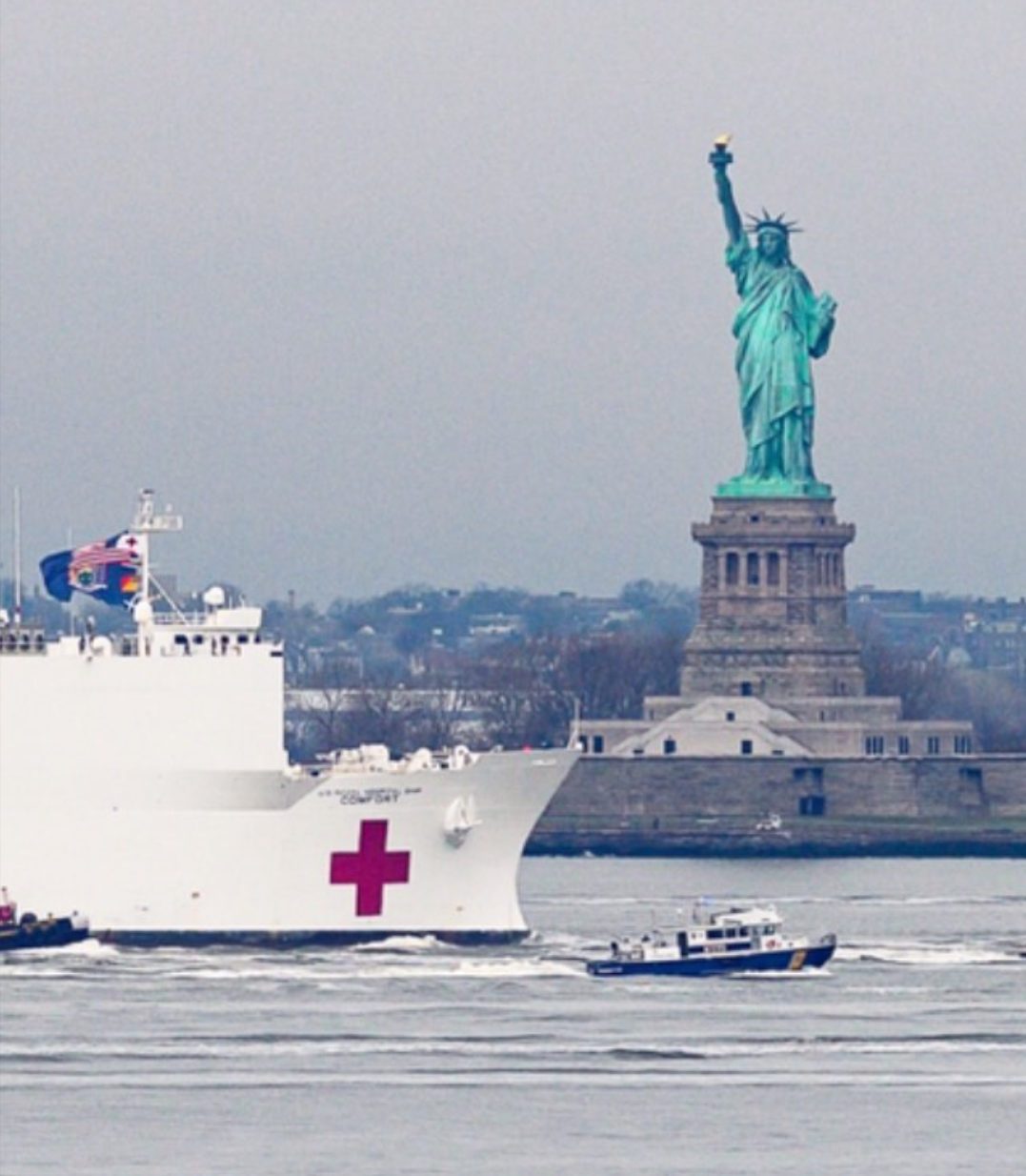
Photo: “USNS Comfort passing by Statue of Liberty, March 30, 2020” by MusikAnimal, licensed under CC BY-SA 4.0 (https://creativecommons.org/licenses/by-sa/4.0/).
This piece was submitted as a guest contribution. New York Daily News accepts guest contributions on NYC health topics — see our Health write-for-us page if this is your beat.
For a practical look at fighting the bills that follow a hospital stay, see our piece on how to negotiate medical debt down before it hits collections.
Related articles: Getting a Building Permit in NYC: What DOB Actually Requires · Small Claims Court in NYC: What Actually Happens After You File · How NYC Eviction Proceedings Actually Work (And How Long They Actually Take)