

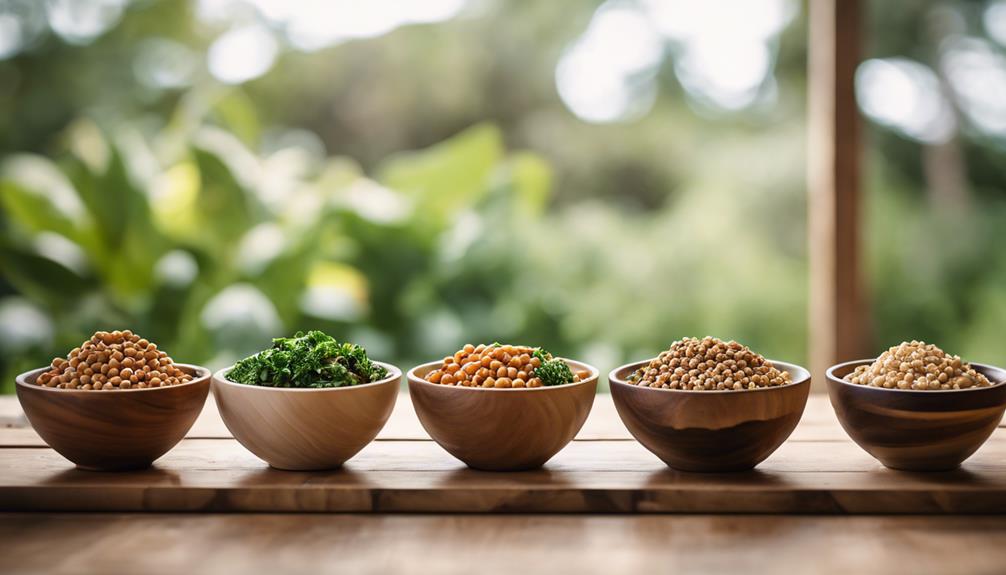
To boost your muscle growth, look no further than these top five plant-based proteins. Pea protein is rich in essential amino acids and highly digestible, making it a great choice for building muscle without the bloat. Hemp protein offers a complete amino acid profile and is packed with fiber and omega fatty acids, supporting both muscle growth and heart health. Quinoa and soy protein are both complete proteins, providing all the essential amino acids necessary for muscle recovery. Lastly, chia seeds are not only a complete protein but also rich in omega-3s and fiber. Ready to learn how these can fit into your diet effectively?
Exploring Pea Protein Benefits
Recently, pea protein has gained popularity as a highly effective plant-based option for muscle growth. As you delve into the world of fitness and health, it's crucial to understand why this protein stands out. Pea protein is derived from yellow peas, and it's not just for vegans or vegetarians. You'll find it's a robust alternative, regardless of your dietary preferences.
Firstly, it's incredibly rich in essential amino acids, particularly branched-chain amino acids (BCAAs) like leucine, isoleucine, and valine, which are vital for muscle repair and growth. This makes it comparable to whey protein, traditionally favored by bodybuilders.
You'll appreciate that it's also hypoallergenic, meaning it's free from common allergens found in other proteins like dairy or soy. This reduces your risk of inflammation and digestive issues, enhancing your overall comfort and health.
Moreover, pea protein is known for its high digestibility. You'll absorb more of its nutrients, ensuring your body utilizes the protein effectively to build and repair muscle tissue.
It's also less likely to cause bloating—a common side effect with other protein powders. This makes pea protein not only a powerful tool for your muscle-building goals but also a comfortable addition to your daily diet.
Benefits of Hemp Protein
Shifting focus to hemp protein, you'll discover it's another excellent plant-based source for muscle development. Derived from the seeds of the hemp plant, this protein powerhouse not only supports muscle growth but also enhances overall health. You'll appreciate that it's packed with all nine essential amino acids, making it a complete protein, vital for muscle repair and growth.
Moreover, hemp protein is rich in fiber, which aids in digestion and helps maintain a healthy gut. This is crucial as a healthy digestive system ensures optimal absorption of nutrients. Its high fiber content can also keep you feeling fuller for longer, aiding in weight management—a benefit not to be overlooked if you're looking to stay lean while building muscle.
You'll also find that hemp protein is a great source of healthy fats, including omega-3 and omega-6 fatty acids. These fats are important for heart health and inflammatory responses, which can be particularly beneficial after intense workouts.
Plus, hemp protein is known for its low allergenic potential, making it a safe choice if you're sensitive to other protein sources like dairy or soy. Integrating hemp into your diet could be a game-changer for your fitness goals.
Quinoa for Muscle Development
Quinoa's reputation as a superfood is well-earned, especially when considering its benefits for muscle development. Packed with all nine essential amino acids, it's a rare plant-based complete protein, crucial for repairing and building your muscle tissues. You'll find that incorporating quinoa into your diet not only supports your strength training goals but also enhances your overall health.
Each cup of cooked quinoa provides about 8 grams of protein. That's impressive for a grain-like seed! It's also rich in fiber and iron, aiding in muscle function and oxygenation during your workouts. You'll appreciate how quinoa's low glycemic index can help manage blood sugar levels, providing you with sustained energy during those grueling training sessions.
Don't just stick to rice or pasta for your carb intake. Mix things up with quinoa. Its versatility means you can add it to salads, use it as a base for stir-fries, or even blend it into smoothies.
To maximize muscle growth, pair quinoa with other protein-rich foods and ensure you're getting enough calories. Remember, your body needs adequate fuel to build muscle effectively, so don't skimp on nutritious meals that include this powerful seed.
Soy Protein: A Complete Profile
Soy protein stands out as a top choice for vegetarians and fitness enthusiasts alike, offering a complete amino acid profile that supports muscle recovery and growth. You'll find that this plant-based powerhouse isn't just versatile in the kitchen; it's packed with benefits that can help you meet your fitness goals.
Derived primarily from soybeans, this protein includes all nine essential amino acids necessary for human health, making it one of the few plant-based sources classified as a complete protein. This is crucial for you as it promotes optimal muscle repair and building after your workouts.
Additionally, soy protein is known for its ability to lower cholesterol levels, which is a significant bonus for your heart health.
You can easily incorporate soy protein into your diet through various forms such as tofu, tempeh, soy milk, and soy protein isolates. Each offers a unique texture and flavor profile, giving you plenty of options to keep your meals exciting and nutritionally rich.
Moreover, research suggests that regular intake of soy protein can contribute to improved bone health and a reduced risk of osteoporosis, especially important as you age. So, it's not just about building muscle—soy protein helps maintain overall body health, making it a smart choice for a long-term diet plan.
Nutritional Advantages of Chia Seeds
Exploring the nutritional advantages of chia seeds reveals their impressive profile, particularly their high fiber content, which is essential for your digestive health. Each serving packs a hefty amount of fiber, promoting regularity and helping you feel fuller longer. This is key in managing weight, as you're less likely to snack on empty calories.
Chia seeds are also loaded with omega-3 fatty acids, crucial for brain health and reducing inflammation. Unlike many plant-based protein sources, chia provides all nine essential amino acids, making it a complete protein. This is vital for muscle repair and growth, especially if you're increasing your workout intensity.
You'll find a good dose of antioxidants in chia seeds, too. These compounds fight free radicals, reducing oxidative stress and aiding in faster recovery from exercise.
Plus, with a range of minerals like calcium, magnesium, and zinc, chia seeds support bone health, nerve function, and overall cellular repair.
Incorporating chia into your diet is easy. Sprinkle them into smoothies, oatmeal, or salads for a nutritious boost without compromising taste. They're a versatile, powerful food that supports not only muscle growth but overall health.
Frequently Asked Questions
How Do Plant-Based Proteins Compare to Whey for Muscle Gain?
You might find that while whey protein typically absorbs faster, many plant-based proteins offer comparable benefits for muscle gain, especially when combined correctly to ensure you're getting all essential amino acids.
Can Plant Proteins Cause Digestive Issues?
Yes, you might experience digestive issues with plant proteins if you're sensitive to fiber or have allergies to specific sources, like soy or gluten. It's best to introduce them gradually to your diet.
What Are Common Allergens in Plant-Based Proteins?
You might find common allergens in plant-based proteins include soy, peanuts, and tree nuts. It's important to check labels and be aware of any reactions you have to specific protein sources.
How Much Plant Protein Is Needed Daily for Muscle Growth?
You'll need about 1.6 to 2.2 grams of plant protein per kilogram of body weight daily for muscle growth. It's crucial to choose diverse sources to cover all essential amino acids.
Are There Plant-Based Protein Options for Low-Carb Diets?
Yes, you can find plant-based proteins suitable for low-carb diets. Consider options like seitan, spirulina, and hemp seeds, which offer high protein content with minimal carbohydrates, fitting well into your dietary needs.
Conclusion
You've explored five fantastic plant-based proteins that can help bulk up your muscles. Pea protein packs a punch with essential amino acids, while hemp protein offers a complete profile and aids recovery. Quinoa fuels your workouts with its nutrient-dense profile, soy provides all essential amino acids, and chia seeds are great for omega-3s and fiber. Incorporate these into your diet, and you'll see your muscle growth soar without compromising on health or flavor. Try them out and feel the difference!
Related articles: Top Plant-Based Proteins to Boost Muscle Growth · Top 5 Plant-Based Proteins for Optimal Muscle Gain · Top Certified Plant-Based Proteins for Muscle Growth