

A six-figure annual rent does not guarantee protection from the smell of decomposing food waste seeping through your kitchen wall.
According to Gothamist, a tenant in a Midtown luxury building is locked in a legal battle with his landlord over persistent odors emanating from the trash compactor and chute system located directly behind his apartment’s kitchen. The landlord has publicly denied the tenant’s characterization of the problem as genuine, but the dispute reveals a systemic vulnerability in how New York City’s older high-rises manage waste—and how building management can dismiss tenant complaints without meaningful inspection or remediation.
The Physics of Shared Waste Systems
Garbage chutes in residential towers function as vertical highways for refuse, moving trash from upper floors down to compactor rooms in basements or ground levels. The engineering assumption is straightforward: chutes are closed, compactors are sealed, odors stay contained. In practice, especially in buildings constructed before stricter ventilation codes, this system fails routinely. Decomposing food creates hydrogen sulfide and ammonia gases that seep through worn door seals, compromised grout, and improperly maintained compactor enclosures. When a unit sits immediately adjacent to the trash room—as this Midtown apartment does—the tenant bears the direct cost of the building’s infrastructure decay.
The landlord’s blanket denial, without evidence of independent testing or professional assessment, follows a familiar Manhattan playbook: claim the complaint is unfounded and hope the tenant either moves or runs out of legal resources to fight back.
What This Actually Means for Midtown Renters
If you pay premium rent in a Manhattan high-rise, you are implicitly trusting that the building’s mechanical systems were designed, installed, and maintained to code. For units near trash rooms, that trust is fragile. The issue is not limited to one aggrieved tenant; it is structural. Buildings constructed in the 1960s through 1980s—a significant share of Midtown’s rental stock—predate modern building envelope standards. Many lack proper ventilation separation between trash compactor rooms and residential units.
Renters in these buildings have few practical remedies. Filing a 311 complaint can trigger a Department of Housing Preservation and Development inspection, but inspectors may find the smell intermittent or attribute it to normal building operations. Hiring a private environmental consultant costs $1,500 to $3,000 and generates documentation that landlords will dispute anyway. A lawyer’s letter demanding remediation or rent abatement typically prompts a counterclaim that the tenant is fabricating the problem.
The Building Code Gaps That Enable the Dispute
New York City’s Housing Maintenance Code requires that apartment interiors be “free of conditions which are hazardous to health and safety,” a standard vague enough to shelter landlords who claim intermittent odors do not cross the threshold. The code also mandates that buildings maintain waste disposal areas, but enforcement depends on HPD’s capacity to conduct unannounced inspections—a resource-constrained process.
The real problem is that no code provision explicitly requires odor mitigation or mandates the compactor room ventilation standard that would prevent this dispute entirely. A properly pressurized, independently vented trash room with sealed chute doors stops the smell before it enters units. Most older buildings lack this setup because retrofitting an existing compactor enclosure costs $15,000 to $40,000—an expense landlords avoid unless forced by litigation.
The Tenant’s Practical Path Forward
If you are experiencing this problem, a generic complaint to your landlord will fail. Instead, file a 311 report and request the inspection number. Document the odor with dated photographs and video (timestamps matter). Hire a licensed mold and air quality professional to test for volatile organic compounds and hydrogen sulfide in your apartment; objective data changes the conversation from “he says, she says” to “here are the numbers.” Once you have documentation, send a lawyer’s letter citing Housing Maintenance Code §27-2004 and demanding either professional remediation within 14 days or a monthly rent abatement of no less than 20 percent of your rental payment. Many landlords will negotiate at that point.
If your landlord refuses and you decide to withhold rent into an escrow account, ensure your lawyer files the required notice to the landlord and the state within the procedural windows. This is not a threat; it is a legal mechanism with specific timelines and rules.
Why Landlords Keep Denying What Tenants Smell
The economics are simple: admitting the odor exists triggers an obligation to fix it. Denying it costs nothing except credibility—and most landlords calculate that tenant credibility matters less than their own legal position. This Midtown case will likely settle quietly once the tenant’s legal costs exceed the landlord’s remediation cost, but the building’s waste system will probably remain unchanged, waiting for the next tenant to experience the same problem.
If you are renting in a Manhattan high-rise and suspect similar issues, consult a real estate attorney before your situation hardens into a protracted legal standoff.
We welcome experienced contributors to write about New York City real estate issues. Interested in pitching a story? Visit our guest post opportunities page to learn more.
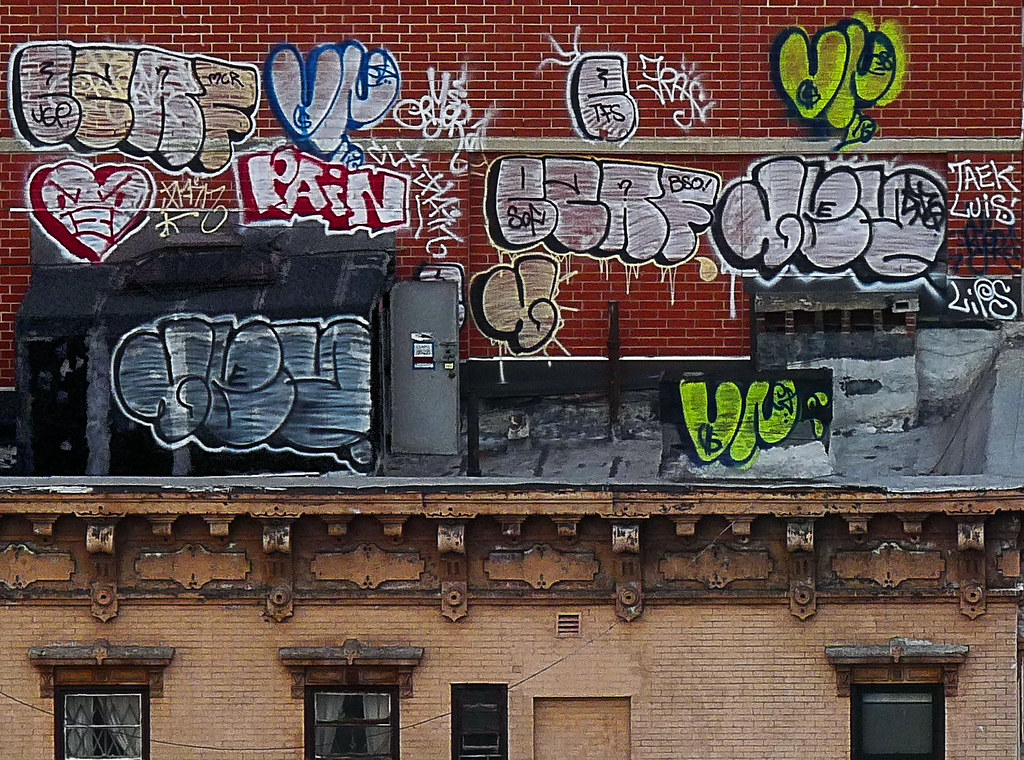
Photo: “Pain in red above the apartment” by joiseyshowaa, licensed under BY-SA (https://creativecommons.org/licenses/by-sa/2.0/).