

The New York City transit nostalgia circuit is about to get a heavy dose of pre-war charm, but the machinery on display this weekend won’t solve the actual problems riders face every morning.
According to Gothamist, the city’s annual Bus Fest is returning with a centerpiece attraction: a functioning 1918 double-decker coach that represents a century-old standard of public transit. The event draws transit enthusiasts and curious New Yorkers eager to see how the city once moved people through its streets. It’s charming. It’s also a convenient moment to ask whether celebrating what worked a hundred years ago obscures why the system functions so poorly today.
The Nostalgia Trap
There’s something deeply ironic about a city that can’t keep modern buses running on schedule celebrating a mechanical relic from the Wilson administration. That 1918 double-decker presumably arrived at its destinations. It didn’t get stuck in gridlock for forty minutes while the driver waited for traffic to clear. It didn’t break down mid-route leaving commuters stranded. It didn’t sit in a depot awaiting repair parts.
The vintage bus tour frames transit history as a kind of golden age—a museum piece we admire and move past. But what if the actual mechanics of that era, stripped of the romance, pointed to genuine operational principles the modern system has abandoned? A smaller, more agile fleet. Routes designed for actual passenger density rather than bureaucratic convenience. Maintenance that happened before catastrophic failure.
What’s Actually Missing From the Fleet
The MTA operates roughly 6,000 buses across the city, and a significant portion are old enough to qualify as vintage themselves—just not celebrated ones. Buses in active service regularly exceed their useful lifespan. The agency’s own data shows average vehicle age hovering around 7-8 years, well above the industry standard of 5-6 years. A bus from 1918 on display is a novelty. A bus from 2012 still running daily routes is a maintenance crisis nobody celebrates.
The difference isn’t nostalgic appeal. It’s dollars. The city allocated $2.1 billion toward bus fleet replacement over the next five years in its latest capital plan, which sounds substantial until you divide it across thousands of vehicles and factor in inflation. That’s roughly $420 million annually for 6,000 buses—or about $70,000 per vehicle per year for acquisition, maintenance, and operations. The vintage bus on display this weekend cost nothing to run because it has no passengers to move and no revenue to generate.
The Real Capacity Problem
A single working double-decker from 1918 carries maybe 70-80 passengers. Modern articulated buses carry 120. But the city has been reducing double-decker service for decades, and the routes that do run them operate sporadically due to driver shortages and maintenance issues. If the festival is celebrating a technology that actually increased per-route capacity without consuming more road space, that’s worth asking why it disappeared.
The answer isn’t romantic. It’s that maintaining that fleet became expensive, spare parts became scarce, and the industry standardized on single-deckers. Nostalgia won’t reverse engineering economics. But operational lessons might: the double-decker solved a real problem—moving more people per route in a congested city. The MTA abandoned the solution without ever solving the underlying problem.
What Riders Actually Need to Know
Bus Fest is free and family-friendly, which is fine. But if you’re taking the bus to get there, you’re experiencing the real transit problem the festival ignores: service reliability. The system can’t consistently deliver what it promises. A 1918 bus that never arrives is worse than one that does.
The actionable measure here is simple: attend the festival if you’re interested in transit history, but use it as a prompt to review your actual route’s performance data. Check the MTA’s realtime dashboard for your bus line. Note how often it runs late, gets cancelled, or skips stops. That’s the gap between nostalgia and operation—the space where real investment needs to happen.
If you’ve observed specific failures on your local routes or have ideas about how the system could improve, the Daily News welcomes transit expertise from readers with real experience. Submit your perspective here.
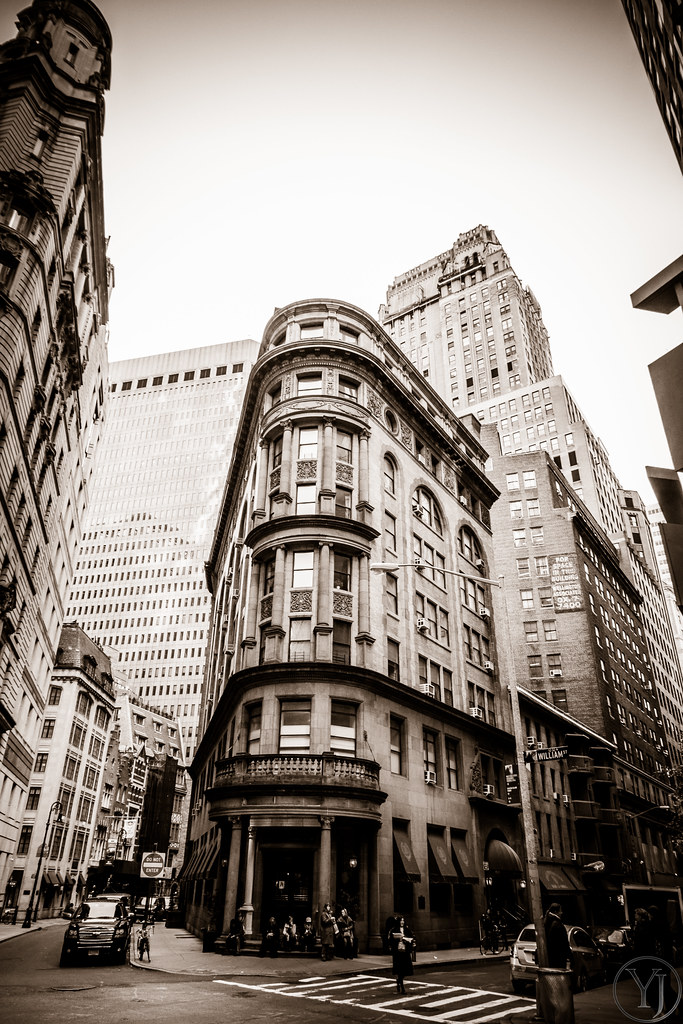
Photo: “New York City street” by Zeeyolq Photography, licensed under BY (https://creativecommons.org/licenses/by/2.0/).