

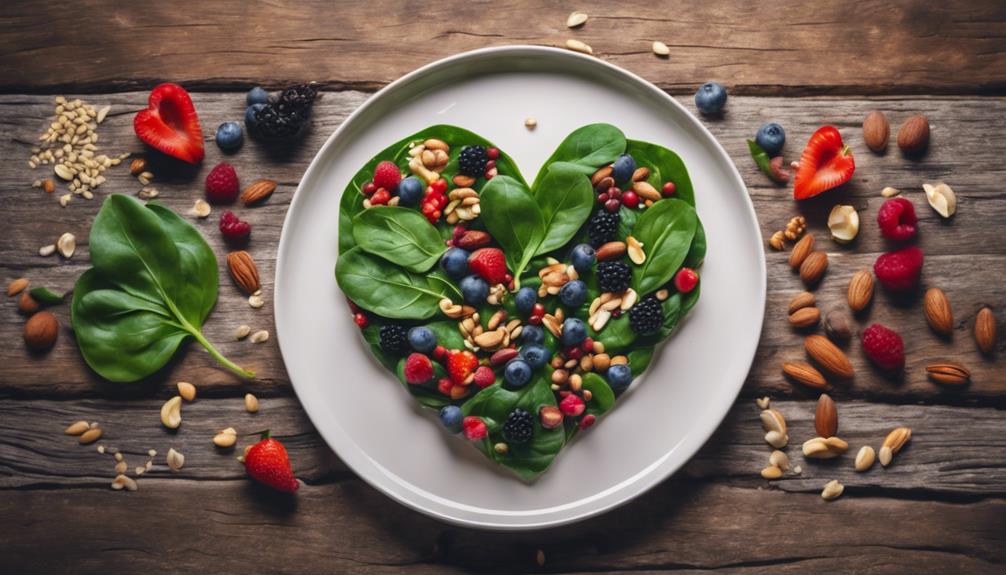
Adopting a vegan diet offers significant benefits for your heart health. You'll enjoy lowered cholesterol levels and reduced blood pressure, both critical factors in preventing heart disease. This diet also helps in managing your weight effectively and improves your blood sugar control, further protecting your heart. By consuming nutrient-rich foods like fruits, vegetables, whole grains, and nuts, you're not only reducing inflammation but also enhancing your body's ability to fight oxidative stress. Plus, the high fiber and healthy fat content support overall heart health and reduce the risk of chronic diseases. Curious about how these changes can impact your long-term wellness? There's much more to uncover about the heart-healthy advantages of veganism.
Lowering Blood Pressure
Adopting a vegan diet can significantly lower your blood pressure. When you switch to plant-based meals, you're ditching high-sodium processed foods and saturated fats found in meat, which are often culprits in hypertension. Instead, you're filling up on fruits, vegetables, nuts, and whole grains, all rich in essential nutrients and fiber that promote healthy blood pressure levels.
Potassium, found abundantly in bananas, spinach, and sweet potatoes, helps balance out the negative effects of salt and eases tension in your blood vessels.
Moreover, the weight loss that many experience on a vegan diet also contributes to lowering blood pressure. Excess weight strains your heart and can raise blood pressure, so shedding those pounds can have a direct beneficial impact on your readings.
You'll also enjoy a diet lower in calories but high in volume, which means you can eat satisfying portions without overloading on calories, helping maintain a healthy weight. Remember, as you embrace this lifestyle, keep an eye on your nutrient intake and consider consulting with a nutritionist to ensure you're getting a balanced diet. This way, you're not just eating differently; you're eating smartly and heart-consciously.
Reducing Cholesterol Levels
While a vegan diet helps lower blood pressure by eliminating high-sodium and fatty processed foods, it also plays a significant role in reducing cholesterol levels. By cutting out meat, dairy, and other animal products, you're also ditching some of the most common sources of saturated fats—known culprits in pushing up cholesterol numbers.
Instead, you'll fill your plate with fruits, vegetables, nuts, seeds, and whole grains—all foods that naturally contain little to no cholesterol. These plant-based ingredients aren't just neutral in the fight against cholesterol; they're active players.
Soluble fiber, found in foods like oats, apples, and beans, helps lower cholesterol by binding with it in the digestive system and removing it from the body.
Moreover, the inclusion of nuts and seeds provides healthy fats like omega-3 and omega-6 fatty acids, which can help improve your cholesterol profile by raising HDL (the "good" cholesterol) and lowering LDL (the "bad" cholesterol).
Decreasing Heart Disease Risk
By shifting to a vegan diet, you significantly reduce your risk of developing heart disease. This benefit stems largely from eliminating animal-based foods, which are high in saturated fats and cholesterol—two major contributors to cardiovascular issues. Instead, you're likely loading up on fruits, vegetables, whole grains, and nuts, which are all heart-healthy choices.
The increase in dietary fiber is another key factor. Fiber isn't just good for digestion; it also helps to lower cholesterol levels. High cholesterol is a significant risk factor for heart disease, and by keeping your levels in check, you're doing your heart a big favor.
Plus, plant-based diets tend to be rich in antioxidants. These compounds fight oxidative stress and inflammation, both of which can contribute to heart disease when they're chronic.
You'll also benefit from a generally lower intake of calories and unhealthy fats, which helps in maintaining a healthy weight. Excess weight is a well-known risk factor for heart disease, so staying lean is crucial for heart health. By sticking to a vegan diet, you're not just cutting out harmful foods; you're replacing them with options that actively promote cardiovascular wellness.
Enhancing Blood Vessel Health
Continuing from the benefits of a vegan diet on heart disease risk, consider how this eating pattern also improves blood vessel health. The plant-based nature of a vegan diet is rich in vitamins, minerals, and antioxidants, which play critical roles in maintaining the integrity and elasticity of your blood vessels.
For instance, foods such as spinach, oranges, and whole grains are high in vitamin C and flavonoids, which have been shown to enhance the production of nitric oxide. This compound helps your blood vessels relax and dilate, leading to improved blood flow and reduced pressure on your arterial walls.
You'll find that this not only supports overall cardiovascular health but can significantly lower your risk of hypertension and stroke.
Moreover, by avoiding animal fats and cholesterol, you're directly reducing the buildup of plaque in your arteries. Over time, a diet free from animal products can lead to less inflammation and thinner blood, which further benefits your vascular health.
Improving Heart Rhythm Stability
Switching to a vegan diet not only impacts your arteries but also stabilizes your heart rhythm. You might wonder how removing animal products can affect the electrical impulses that control your heartbeat. It's all about the nutrients and how they interact with your heart's cellular activities.
Eating plant-based means you're likely consuming more magnesium and potassium, two minerals crucial for proper heart rhythm. Foods like bananas, spinach, and almonds are packed with these elements, helping to regulate your heartbeat and prevent arrhythmias. You're not just cutting out harmful fats; you're replacing them with beneficial nutrients.
Additionally, by reducing the intake of omega-6 fatty acids, which are prevalent in processed and animal-based foods, and increasing omega-3 fatty acids found in flaxseeds and walnuts, you're supporting the electrical stability of your heart. This balance is vital for maintaining a steady, healthy heart rhythm.
Reducing Inflammation
One often overlooks how a vegan diet actively reduces inflammation in your body. This benefit is crucial because chronic inflammation is linked to numerous health issues, including heart disease. By eliminating animal products, you're also cutting out major sources of inflammation such as saturated fats found in meat and dairy products.
Instead, you'll load up on fruits, vegetables, nuts, and whole grains, which are all foods rich in antioxidants and phytonutrients. These compounds combat inflammation naturally.
For instance, the antioxidants in berries and the omega-3 fatty acids in flaxseeds are known to reduce inflammatory markers in the blood.
Moreover, many plant-based foods are high in fiber, which not only helps your digestion but also lowers C-reactive protein (CRP), an inflammation marker in your blood.
A high-fiber diet supports a healthy gut microbiome, which plays a pivotal role in modulating the immune response and inflammation.
Transitioning to a vegan diet doesn't just help your heart by reducing inflammation; it also introduces a variety of nutrients that contribute to overall health and well-being. By making this switch, you're taking a significant step toward not only managing inflammation but also enhancing your body's natural defense systems.
Promoting Healthy Weight Management
Adopting a vegan diet not only reduces inflammation but also significantly aids in healthy weight management. When you switch to a plant-based lifestyle, you're likely to consume fewer calories and more nutrient-dense foods, which naturally supports weight loss or maintenance. A vegan diet typically includes a higher intake of dietary fiber found in fruits, vegetables, and whole grains, which can help you feel full longer. This feeling of satiety reduces the likelihood of overeating.
Furthermore, plant-based foods generally have a lower calorie density, which means you can eat larger portions without consuming as many calories as diets with higher meat content. This can be particularly beneficial if you're trying to manage your weight without feeling deprived.
Studies have shown that individuals following a vegan diet tend to have a lower body mass index (BMI) than those on omnivorous diets.
Additionally, the metabolism boost from a higher intake of vitamins and minerals from plant sources can further enhance weight management efforts. Switching to veganism isn't just about cutting things out; it's about embracing a whole spectrum of foods that contribute to a healthier, leaner body while also promoting heart health.
Frequently Asked Questions
Can a Vegan Diet Meet All Essential Amino Acid Requirements?
Yes, you can meet all essential amino acid requirements with a vegan diet. You'll need to eat a variety of plant-based proteins like beans, lentils, quinoa, and tofu to ensure complete nutrition.
How Do Vegans Obtain Sufficient Vitamin B12 for Heart Health?
You'll need to supplement or choose fortified foods, as vitamin B12 isn't naturally found in plant foods. Nutritional yeast, fortified cereals, and plant-based milks are excellent sources to maintain heart health.
Are There Vegan Sources Rich in Omega-3 Fatty Acids?
Yes, you can find omega-3s in vegan sources like flaxseeds, chia seeds, hemp seeds, and walnuts. Algal oil is also rich in DHA, a type of omega-3 that's crucial for heart health.
What Are Common Vegan Alternatives for Omega-3 Rich Fish?
You can replace omega-3 rich fish with flaxseeds, chia seeds, and walnuts. These plant-based sources are excellent for getting your omega-3s without consuming fish, making them perfect for a vegan diet.
How Does Fiber Intake From a Vegan Diet Affect Heart Health?
You'll find that increasing your fiber intake through a vegan diet can lower cholesterol levels, reduce blood pressure, and decrease heart disease risk by improving overall arterial function. It's a significant protective factor.
Conclusion
By embracing a vegan diet, you're not just helping animals and the environment; you're significantly boosting your heart health. You'll lower your blood pressure, slash cholesterol levels, and reduce your risk of heart disease. Plus, you'll enhance the health of your blood vessels, stabilize your heart rhythm, and cut down on inflammation. All while managing your weight more effectively. So, why not give your heart the care it deserves and consider the switch to a plant-based lifestyle?
Related articles: 10 Best Vegan Foods for Boosting Heart Health · What Does a Vegan Diet Do for Heart Health? · How to Boost Heart Health With a Vegan Diet