

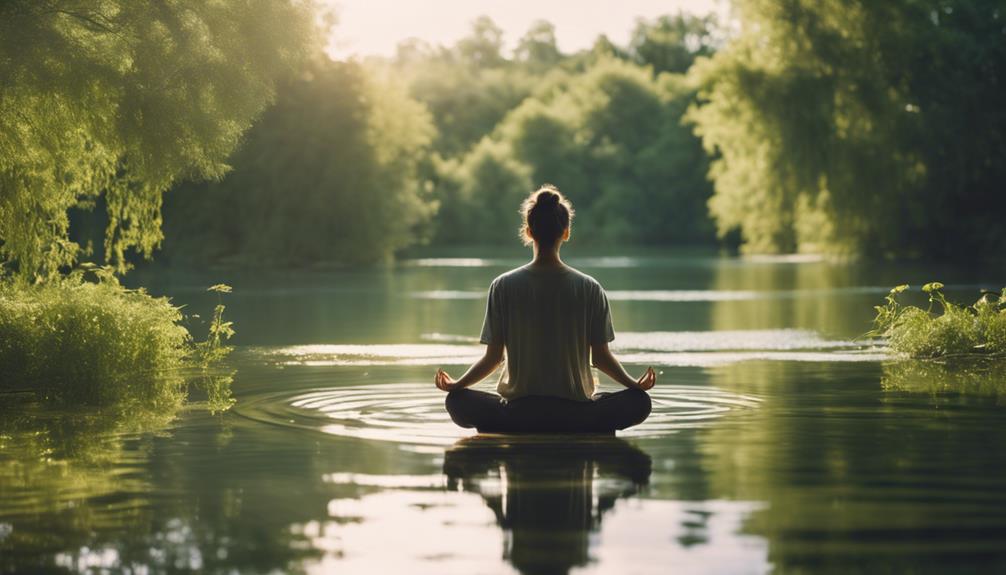
Meditation significantly enhances your mental health by reducing stress, boosting your focus, and elevating your emotional well-being. When you practice techniques like mindfulness or mantra meditation, you'll likely notice improved concentration and a decrease in anxiety and depression symptoms. Regular sessions can even alter your brain's structure, increasing gray matter density for better memory and stress regulation. Plus, by adopting daily mindfulness exercises, such as mindful eating or walking, you integrate beneficial habits that foster better emotional management and peace. You may find that unlocking further insights on this topic can significantly enrich your understanding and application of meditation.
Understanding Meditation and Mental Health
Exploring the relationship between meditation and mental health can offer profound insights into how this ancient practice improves psychological well-being. When you meditate, you're engaging in a process that enhances your awareness and fosters an acute sense of presence. This isn't just about calming your mind or finding a moment of peace; it's about fundamentally transforming your approach to life's challenges and experiences.
Regular meditation can significantly alter your brain's structure and function, leading to improved cognitive and emotional health. For instance, studies have shown that meditation increases the density of gray matter in areas of the brain associated with memory, empathy, and stress regulation. This means you're not only better at handling what life throws your way, but you're also likely to remember important details and connect with others more deeply.
Moreover, meditation can enhance your self-awareness, helping you recognize and manage your emotions more effectively. You'll find yourself less caught up in reactions to minor annoyances—a shift that can lead to greater peace and satisfaction in your daily life.
Reducing Stress Through Mindfulness
One effective way to reduce stress is through mindfulness meditation. You've likely heard about mindfulness, but implementing it can transform your daily stress levels significantly. By focusing on the present moment without judgment, you're training your mind to not overreact to life's inevitable challenges.
Start by setting aside a few minutes each day to sit quietly and focus on your breathing. Notice the air entering and leaving your body, the rise and fall of your chest. When your mind wanders, as it will, gently guide it back without criticizing yourself. This practice cultivates a skill crucial in stress reduction: awareness.
Awareness allows you to recognize the onset of stress early. You'll learn to detect the physical and emotional cues that signify stress, like tension in your shoulders or a feeling of overwhelm. With this knowledge, you can apply mindfulness techniques promptly, preventing stress from spiraling.
Moreover, mindfulness encourages you to engage fully in activities without the distraction of past worries or future anxieties. This focused attention leads to a deeper appreciation of life and a greater sense of calm. You'll find that regular mindfulness practice doesn't just ease stress—it enhances your overall well-being.
Meditation's Role in Managing Anxiety
While mindfulness meditation is a powerful tool for reducing stress, it also plays a significant role in managing anxiety. When you're feeling overwhelmed by worry, setting aside time to meditate can be a game changer. By focusing on your breath and observing your thoughts without judgment, you're training your mind to stay present.
This practice helps you break the cycle of anxiety, where you're constantly projecting into an uncertain future or dwelling on past events.
As you continue to meditate regularly, you'll notice a shift in your reaction to anxiety-provoking situations. Instead of spiraling into a frenzy of what-ifs, you're more likely to approach these moments with a calm, clear mindset.
It's not about eliminating anxiety completely, but about managing your response to it. Meditation gives you the tools to pause and assess the situation objectively, reducing the immediacy and impact of anxious feelings.
Enhancing Emotional Wellbeing
Meditation not only reduces stress and manages anxiety but also significantly enhances your emotional wellbeing. When you meditate, you're taking a step back from the hustle of daily life, allowing yourself to gain perspective on your emotional reactions. This practice helps you cultivate a state of inner peace and emotional stability by acknowledging your feelings without becoming overwhelmed by them.
As you continue to meditate, you'll notice a shift in how you respond to challenging situations. Instead of reacting impulsively, you'll learn to respond with mindfulness and calmness. This change is crucial in reducing emotional exhaustion and preventing burnout.
Meditation teaches you to handle life's ups and downs with grace, making you more resilient against emotional disturbances.
Moreover, regular meditation increases your overall sense of happiness and contentment. By focusing on the present and reducing negative thoughts, you're paving the way for a more positive outlook on life. This doesn't just help you cope with tough times; it enhances your everyday emotional experiences, making joy and serenity more accessible.
Improving Concentration and Focus
In addition to enhancing emotional well-being, meditation significantly improves your concentration and focus. When you meditate, you practice bringing your attention back to a specific focal point, such as your breath or a mantra. This repetitive action trains your brain to focus more efficiently in other areas of your life.
Over time, you'll find it easier to concentrate on tasks at work, studies, or any activities requiring deep focus.
Meditation also reduces the brain's tendency to wander, which is often a primary culprit behind poor concentration. Research suggests that regular meditation increases the thickness of the prefrontal cortex, the area of the brain responsible for executive function and attention. By strengthening this region, you enhance your ability to concentrate without being easily distracted by external stimuli or internal thoughts.
Moreover, meditation sessions don't have to be long; even short periods of focused meditation practice can yield noticeable improvements in your ability to concentrate. You might start with just five minutes a day and gradually increase the duration as you become more comfortable with the practice.
Meditation for Depression Relief
Building on its benefits for concentration and focus, meditation also offers significant relief for those battling depression. When you meditate, you're steering your mind away from the chaos of depression's grip. This practice can reduce the levels of stress hormones and enhance the production of neurotransmitters related to mood elevation.
You might be wondering how sitting quietly could possibly alter your depressive symptoms. It's all about the brain's plasticity. Regular meditation strengthens neural pathways that promote emotional resilience. You're essentially training your brain to better manage stress and negative emotions, making depressive episodes less overwhelming.
Moreover, meditation fosters mindfulness, which encourages you to live in the moment rather than dwelling on past regrets or future anxieties—common traps for those suffering from depression. By focusing on the here and now, you're less likely to ruminate on distressing thoughts that can spiral into deeper depression.
Starting a meditation habit might seem daunting, but even a few minutes a day can make a difference. It's about consistency, not duration. Over time, you'll likely notice a more stable mood and a stronger sense of peace, helping you combat depression more effectively. Remember, it's a journey, and every small step counts.
Practical Meditation Techniques for Daily Use
To start incorporating meditation into your daily routine, you don't need any special equipment or a lot of time. Here are some practical techniques you can use to begin meditating today.
First, try the "Five-Minute Breath Focus." Sit or lie in a comfortable position. Close your eyes and focus solely on your breathing. Inhale deeply through your nose, hold for a few seconds, and exhale slowly through your mouth. Repeat this process for five minutes, letting go of any distractions that arise.
Next, explore "Walking Meditation." This can be done anywhere you walk. As you move, concentrate on the sensation of your feet touching the ground, the rhythm of your steps, and the feeling of the air against your skin. It's a great way to meditate while getting some exercise.
Lastly, use the "One-Minute Mindfulness" technique. Throughout your day, take a minute to observe your surroundings with fresh eyes. Notice the colors, textures, and sounds. This practice brings you back to the present moment, helping reduce stress and increase awareness.
These simple methods can easily fit into your daily schedule, helping you feel more centered and calm as you go about your day.
Frequently Asked Questions
Can Meditation Replace Sleep or Reduce Sleep Needs?
Meditation can't replace sleep, but it may reduce your need for it by improving sleep quality. You'll feel more rested and alert with regular practice, but don't cut out those essential sleep hours completely.
How Does Meditation Impact Physical Health?
Meditation can improve your physical health by reducing stress, lowering blood pressure, and enhancing immune function. It also boosts energy levels and improves sleep quality, helping you feel more physically robust and resilient.
Are There Negative Effects of Meditation?
You might experience some negative effects like anxiety or restlessness initially, as you're adjusting. It's important to start slowly and ensure you're meditating properly to minimize these potential drawbacks.
Can Meditation Help With Weight Loss?
Meditation might indirectly aid your weight loss efforts by reducing stress and enhancing mindfulness, which can help you make better eating choices and maintain a healthier lifestyle. It's not a direct solution, though.
Is Meditation Safe for Children?
Yes, meditation is generally safe for children. It can help them manage stress and improve focus. However, it's important to tailor practices to their age and ensure they're guided by an experienced instructor.
Conclusion
Now that you're aware of how meditation can bolster your mental health, why not give it a try? Start small, integrating brief sessions into your daily routine. Whether it's to soothe stress, ease anxiety, or uplift your mood, meditation offers a simple yet powerful tool. Remember, consistency is key. With regular practice, you'll likely notice significant improvements in your focus, emotional balance, and overall wellbeing. Dive in and experience the benefits for yourself!
Related articles: Why Does Meditation Benefit Your Mental Health? · 5 Ways Meditation Enhances Mental Health · Can Meditation Truly Enhance Mental Health?