

The fact that New York’s transit system bounced back to near-normal operations by Monday after a nor’easter suggests the MTA has finally gotten its act together—but that conclusion skips over the infrastructure reality that made this recovery look so impressive in the first place.
According to Gothamist, transit agencies predicted minimal service disruptions after the weekend storm, though scattered precipitation and several thousand power outages persisted across the region. On its surface, this reads as competence: the system weathered a major weather event and kept most New Yorkers moving. But this narrative obscures a harder truth about why the subway and bus networks can shrug off conditions that would cripple commutes in other cities.
The Redundancy Advantage That Masks Deeper Fragility
New York’s ability to absorb storm impacts without total collapse comes almost entirely from redundancy built over 120 years, not from modern resilience engineering. The subway has multiple trunk lines serving most corridors—if the F train floods, riders shift to the A or 2. The bus network can absorb capacity spikes from disabled rail lines because it operates on public streets, which dry out faster than tunnel systems. This is workable only because the sheer number of alternative routes exists.
The problem: that redundancy is deteriorating faster than it’s being rebuilt. Water intrusion in the subway tunnel system has worsened measurably since 2015. The pumping systems that keep tunnels dry during heavy rain operate at or near capacity on routine rainy days, not just during nor’easters. A Monday that looks “mostly normal” is actually a Monday where the MTA was managing peak water-extraction workload—not recovering from it.
What Power Outages Tell You About Infrastructure Investment Priorities
Thousands of outages lingered into Monday. That detail matters because it reveals how storm impacts stratify across the city. Downtown Brooklyn, Park Slope, and parts of the Upper West Side saw extended power loss in cold weather—which means no heat, no subway station lighting, no elevator access in buildings without backup systems. Meanwhile, the subway itself rebounded.
This isn’t accident. Transit authority emergency response gets budgeted, drilled, and measured. Con Edison outages do not. The utility company predicts outages but doesn’t prevent them the way the MTA pre-positions pumps before heavy rain. For a resident depending on the subway to reach a hospital during a power outage, “mostly normal” transit means nothing if the surrounding neighborhood is dark and cold.
The Three-Day Weather Window That Won’t Exist Next Time
Part of why Monday operations stabilized is that the nor’easter moved inland by late Sunday, leaving a full day before peak commute hours for drainage systems to catch up. The MTA essentially had a 36-hour recovery window. A different storm track—stalling offshore or pivoting back toward the coast—would have compressed that window to hours.
The city’s flood-mitigation infrastructure, including subway pumps and street-level stormwater capacity, is designed for specific precipitation rates and durations. Climate patterns are shifting toward slower-moving, wetter systems. The nor’easter that clears by Sunday morning is becoming less common. Storms that park over the tri-state area for 48 hours are the new pattern, and the MTA’s Monday-morning recovery proves nothing about whether it can handle that scenario.
Which Neighborhoods Actually Stayed Accessible
Commuters in areas with signal box flooding during heavy rain—the lower Red Line stations, parts of the J and Z lines—saw the same “mostly normal” service language applied to their lines. But normal for those corridors already means periodic rush-hour delays tied to water management, not weather events. For these riders, Monday didn’t represent recovery; it represented Tuesday’s baseline.
Meanwhile, flood-prone basement apartments in Sunset Park and Windsor Terrace saw water intrusion again, and residents there have no “alternate route” equivalent to what subway riders have. They can’t switch to a dry building.
The Actual Deadline That’s Already Passing
The MTA’s $7.4 billion capital plan includes $1.2 billion for flood prevention through 2029. That timeline assumed a manageable storm frequency. If nor’easters move into a once-per-18-months pattern instead of once-per-three-years, the entire project schedule collapses backward. Contractors can’t accelerate pumping system installation, resilience gate deployment, or water-sealed ventilation in tunnels without massive cost overruns.
The city should publish a specific accounting: how many tunnel segments still lack modern water-sealing, which flood-prone stations will remain unprotected through 2027, and which neighborhoods will remain without backup power infrastructure. “Mostly normal” is not a strategy—it’s a word that lets planners delay hard choices.
If you work in emergency management, infrastructure planning, or neighborhood resilience, we’d like to hear from you. Submit guest commentary here.
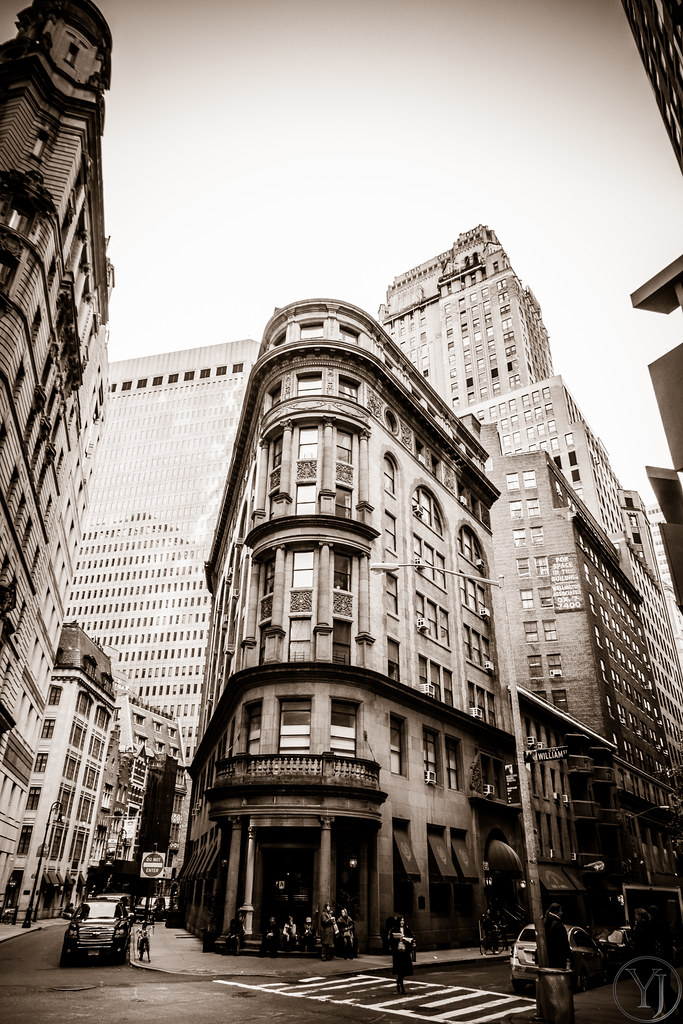
Photo: “New York City street” by Zeeyolq Photography, licensed under BY (https://creativecommons.org/licenses/by/2.0/).