

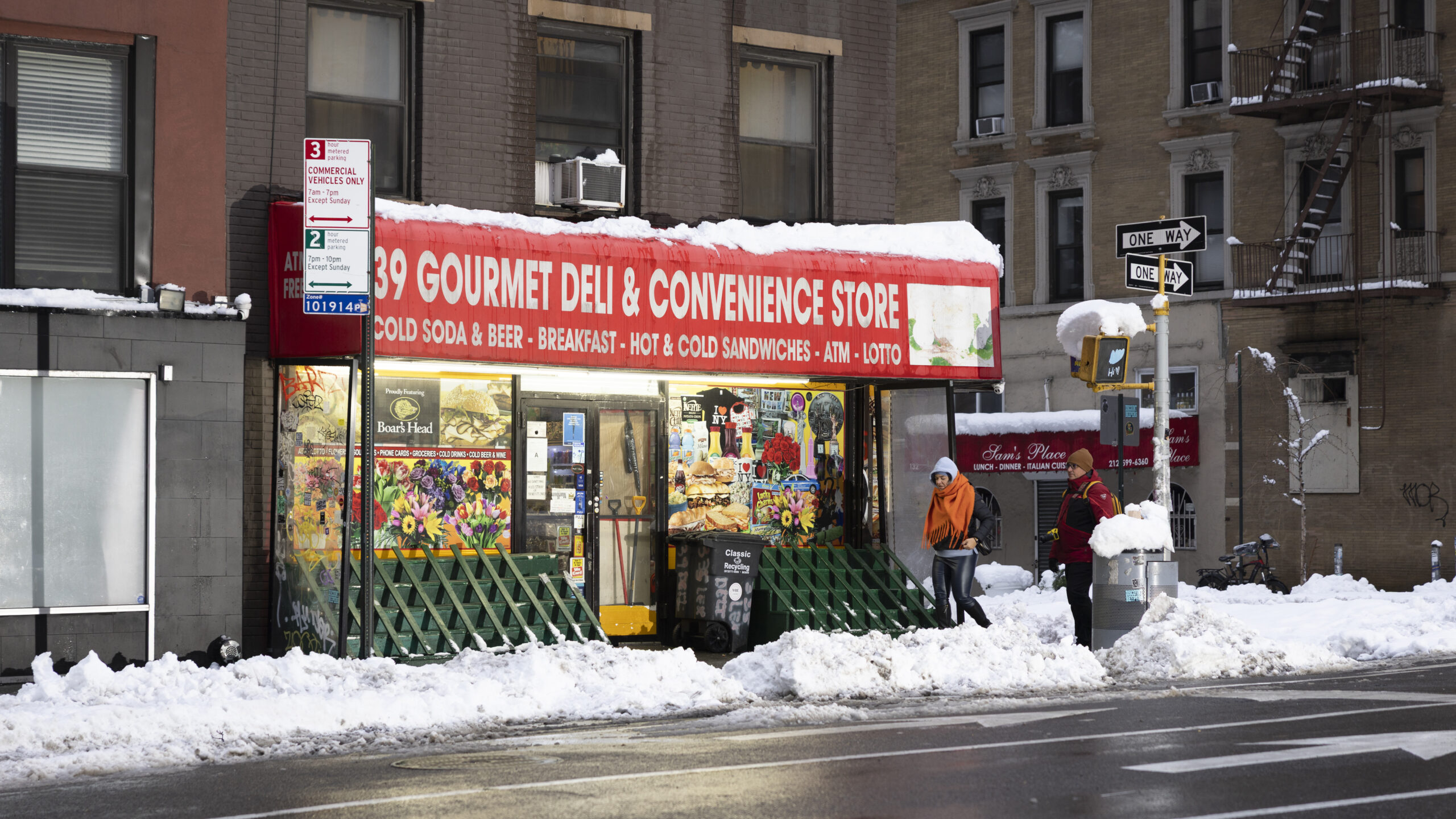
Opening a storefront in NYC without checking whether it needs a specific city license is one of the fastest ways a new small business owner ends up with a shutdown order in the first few months. Licensing requirements here are more granular, and more industry-specific, than most first-time owners expect. Here’s what actually determines whether a given business needs one, and what happens if it doesn’t have it.
Licensing requirements are set at the industry level, not a single business license
NYC has no single, universal “business license” — instead, the city’s Department of Consumer and Worker Protection and other agencies issue specific licenses tied to particular industries and activities: food service, home improvement contracting, tobacco retail, secondhand dealing, and dozens of others each with their own separate application process. A new owner assuming a general business registration covers everything is missing this fundamental structure; the real question is always which specific license or licenses apply to this specific business activity.
Food service businesses face licensing layered across multiple agencies
A restaurant or food service business typically needs sign-off from the Department of Health for food service permitting, potentially the FDNY for certain equipment and occupancy requirements, and DCWP for general business licensing — three separate agencies with three separate application processes that don’t share a single unified timeline. Owners who budget only for one agency’s approval process often find their actual opening date pushed back significantly once the other agencies’ requirements come into view.
Home improvement contractors need a specific city license, not just general business registration
Contractors performing home improvement work in NYC (kitchen and bathroom remodeling, general renovation work) need a Home Improvement Contractor license issued specifically for that activity, separate from any general contracting credential they might hold elsewhere — operating without it exposes a contractor to real fines and, more practically, makes it harder to get paid through disputes since unlicensed contractors have weaker legal standing in payment disputes. Homeowners hiring a contractor should verify this specific license directly, not just assume a contractor who “does this professionally” necessarily holds it.
Storefront signage often requires its own separate permit
Exterior signage for a storefront — the actual sign identifying the business — frequently requires a separate Department of Buildings sign permit distinct from the business’s general operating license, a requirement new owners commonly discover only after installing signage and receiving a violation. This is a small, easy-to-miss step that causes real, avoidable friction for otherwise fully-compliant new businesses.
Sidewalk cafés and outdoor seating fall under their own distinct licensing program
Restaurants wanting to add sidewalk or roadway seating need to apply through the city’s Dining Out NYC program, a permanent licensing system with its own design standards, fees, and community board review process, distinct from the restaurant’s core food service license. A restaurant that assumes outdoor seating is simply an extension of its existing food service permit is missing an entirely separate application requirement with its own real timeline.
Operating without a required license carries real, escalating consequences
Businesses found operating without a legally required license face fines that can escalate with repeat violations, and in more serious cases the city can issue an order to cease operations entirely until proper licensing is obtained — a real, business-ending risk for a new operator who assumed licensing was optional or would be handled “eventually.” These aren’t empty administrative formalities; enforcement has real teeth specifically because the licensing requirements exist to address genuine public safety and consumer protection concerns.
Licensing timelines routinely run longer than new owners plan for
Between application review, required inspections, and any necessary corrections identified during those inspections, the full licensing process for a new food service or contracting business can take considerably longer than the few weeks many first-time owners budget for — pushing back an opening date that was often already tied to a lease start date and the associated rent obligations. Starting the licensing process well before a planned opening date, rather than after signing a lease, is one of the most consistently underestimated timeline risks new NYC business owners face.
Free and low-cost assistance exists specifically to help navigate this process
NYC’s Department of Small Business Services (SBS) offers free guidance, including business courses and one-on-one assistance, specifically aimed at helping new owners identify exactly which licenses and permits their specific business needs — a real, underused resource compared to owners attempting to piece together licensing requirements from general online research alone. Contacting SBS directly before finalizing a lease or business plan can surface licensing requirements a new owner wouldn’t otherwise know to look for.
Certificate of Occupancy mismatches trip up more new owners than expected
A commercial space’s actual Certificate of Occupancy determines what type of business can legally operate there, and a new owner signing a lease without confirming the space’s certificate actually permits their specific business type (a space certified for retail use, for instance, may not automatically permit food preparation) can find themselves unable to legally open despite having a signed lease and completed buildout. Verifying the certificate of occupancy matches the intended use, before signing rather than after, avoids one of the more expensive and disruptive licensing surprises a new owner can face.
If your business is food service specifically, our guide on NYC’s outdoor dining program rules covers the sidewalk seating side of licensing in more depth.
For the financial side of getting a new business off the ground, see our accounting tips for new small businesses.
Next step: before signing a commercial lease, contact NYC Small Business Services directly to confirm exactly which licenses and permits your specific business activity requires — doing this before committing to a lease and opening timeline avoids the most common and costly licensing surprises new owners face.
New York Daily News accepts guest contributions on NYC small business topics — see our Small Business write-for-us page if this is your beat.
Photo: “39 Gourmet Deli & Convenience Store” by Tessa Bury, licensed under CC BY-SA 4.0 (https://creativecommons.org/licenses/by-sa/4.0/).
Related articles: How Local SEO Actually Works for NYC Businesses · Basement Remodeling Experts in Albany, NY: Transform Your Home with Clifton Development Group · NFL 2025 Rookies Class Look