

A weekend pickup soccer game needs no paperwork, but the same group booking the same field for a recurring Saturday league does — and skipping that step is why so many rec league organizers show up to find their field already double-booked. NYC Parks requires permits for organized, recurring, or exclusive-use sports activity on its fields and courts. Here’s how the actual process works for teams and leagues, not just casual players.
Casual, non-exclusive play generally doesn’t need a permit at all
A pickup basketball game, a family kicking a soccer ball around, or informal practice on a first-come, first-served court or field requires no permit whatsoever — permits exist specifically for reserving exclusive use of a space, not for using public recreation space in the ordinary way anyone can. The confusion usually starts when a group’s use becomes regular and organized enough that it starts to functionally exclude other public users from that same space at that same time.
Permits reserve exclusive access to a specific field at a specific time
A sports permit through NYC Parks grants a group exclusive use of a designated field, court, or track for a scheduled window, meaning other members of the public are expected to yield that specific space during the permitted time — this is the core thing a permit actually buys an organizer, not just “permission to play sports” in some general sense. Without one, a rec league has no standing to ask other park users to leave a field, even if they arrived first that day.
Applications go through the Parks Department’s online permit system
NYC Parks manages sports field and court permits through its online CityParks permit portal, where organizers create an account, select the specific location and date range, and submit an application that Parks staff review before approval — not a same-day, walk-up process. Popular fields, especially in Manhattan and along the Brooklyn/Queens waterfront, can book up weeks or months in advance for peak weekend hours, so applying well ahead of a planned season start matters more than most first-time organizers expect.
Different sports and field types have different permit categories and fees
Permit fees and rules vary by sport (baseball diamonds, soccer fields, tennis courts, running tracks each have separate permit categories) and by whether the activity is a single event, a recurring league season, or a tournament — a softball league organizer and a one-time corporate field day are filling out meaningfully different applications, not the same form with a different date. Nonprofit youth sports organizations can often qualify for reduced or waived fees, which is worth checking before assuming standard commercial rates apply.
Permit holders are responsible for real cleanup and conduct obligations
A sports permit comes with conditions — typically covering trash removal, field condition after use, noise limits, and adherence to posted park hours — and violating these conditions can result in a group losing eligibility for future permits at that location or citywide. Organizers sometimes treat the permit as just a booking confirmation and are surprised to learn it comes with actual enforceable obligations attached.
Field conditions and weather closures can affect a permit without a refund guarantee
Parks can close specific fields for maintenance, turf recovery, or weather-related safety reasons even after a permit has been issued and paid for, and reimbursement or rescheduling policies for weather-related closures vary by circumstance rather than being automatic. A league treasurer budgeting for a season should factor in the real possibility of a lost date without assuming a refund is guaranteed, and should check the specific field’s closure history before committing to a schedule.
School and DOE field access follows a separate, related but distinct process
Public school athletic fields and gyms, when made available for community use outside school hours, are typically managed through the Department of Education’s separate community use permit process rather than the NYC Parks system — a rec league using a school field for practices needs to apply through DOE channels, not assume Parks Department permit rules automatically apply there too. Conflating the two systems is a common early mistake for new league organizers working across multiple site types.
Renewing a permit for next season isn’t automatic
Holding a permit for one season doesn’t guarantee priority or automatic renewal for the following season — organizers need to reapply through the same process each season, and popular time slots can be lost to another applicant who applies earlier, even for a league that’s used the same field for years. Building a habit of applying for the next season’s permit as soon as the application window opens, rather than waiting until the current season wraps up, protects a league’s usual time slot.
Insurance requirements catch first-time league organizers off guard
Larger permitted activities, particularly tournaments or leagues involving spectators, often require the organizer to carry liability insurance naming NYC Parks as an additional insured — a real cost and administrative step that a small, informal league’s budget doesn’t always anticipate. Checking a specific permit category’s insurance requirement before assuming a casual league can skip this step avoids a late scramble to secure coverage right before a season is set to begin.
Permit disputes and denials can generally be appealed, not just accepted
An organizer whose application is denied, or who believes a permit was wrongly issued to a conflicting group, generally has an avenue to appeal or dispute the decision through Parks Department channels rather than simply accepting the outcome — a real option that fewer organizers use than probably should, given how often permit conflicts arise around popular fields. Documenting the original application and any correspondence carefully makes a later appeal, if needed, considerably more straightforward.
Next step: if you’re organizing a recurring game or league this fall, start the CityParks permit application now rather than closer to your planned start date — popular fields fill their weekend slots well in advance, and a late application risks losing the specific time and location your group actually wants.
New York Daily News accepts guest contributions on NYC sports and recreation topics — see our Sports write-for-us page if this is your beat.
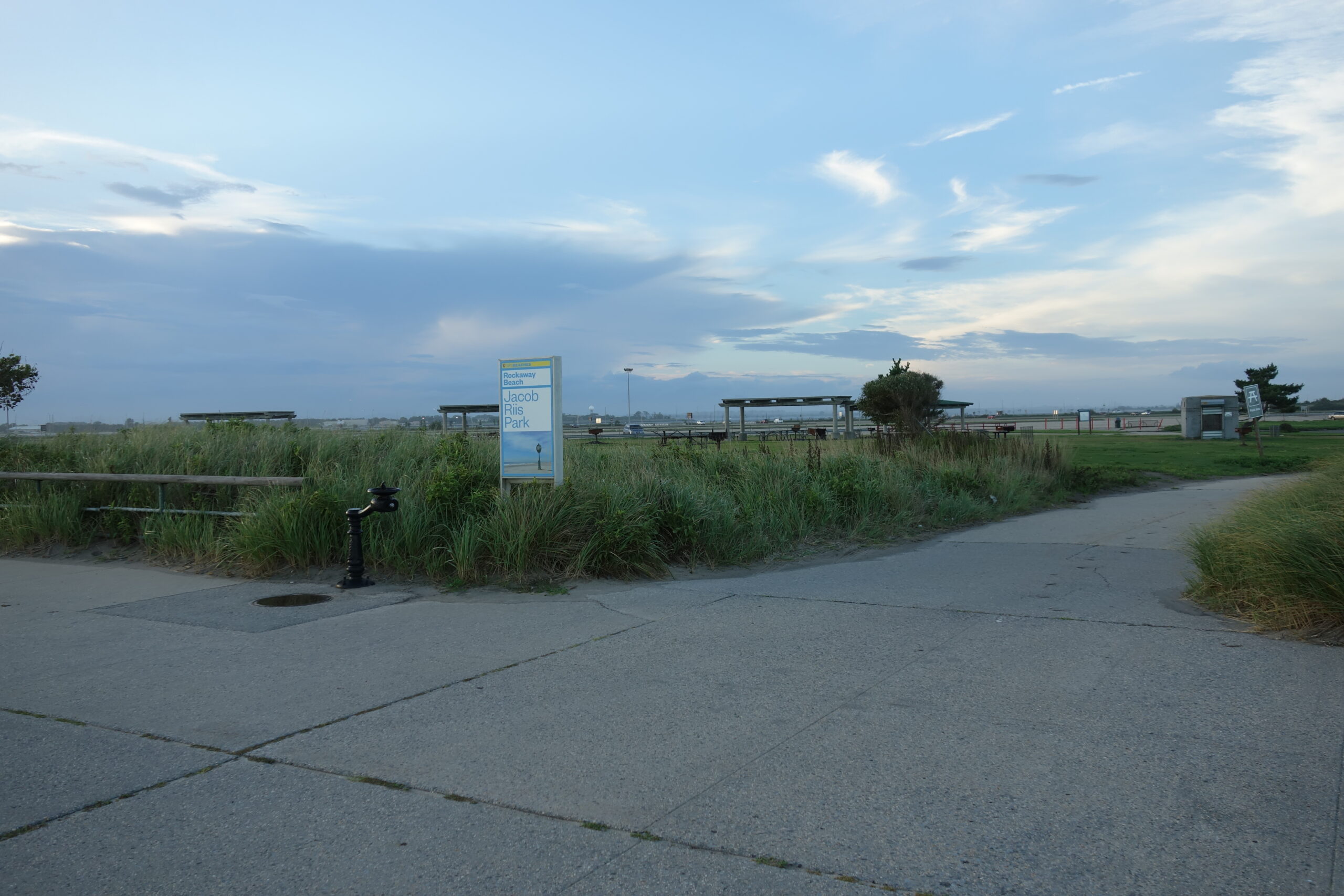
Photo: “Jacob Riis Park – Picnic Area” by Tdorante10, licensed under CC BY-SA 4.0 (https://creativecommons.org/licenses/by-sa/4.0/).
For the fan side of the season, check out our projected AL vs. NL All-Star lineup.
Related articles: Caleb “Iceman” Williams and His Smooth Post-Rookie Recovery · Jaxson Dart Has Drip · Caleb “Iceman” Williams Leads the Bears to a Win in the First Week